
Our Blog
“Welcome to the CISTCK Group Cybersecurity Blog! Dive into the dynamic world of cybersecurity with our expert insights, thought-provoking articles, and the latest developments in the field. Our blog is your go-to resource for staying ahead in the ever-evolving landscape of cyber threats. Explore topics ranging from threat intelligence and risk management to industry best practices and emerging technologies. Whether you’re a cybersecurity professional, IT enthusiast, or simply interested in safeguarding digital landscapes, join us on a journey of knowledge-sharing and discover actionable strategies to fortify your defenses. Stay informed, stay secure with the CISTCK Group Cybersecurity Blog.”
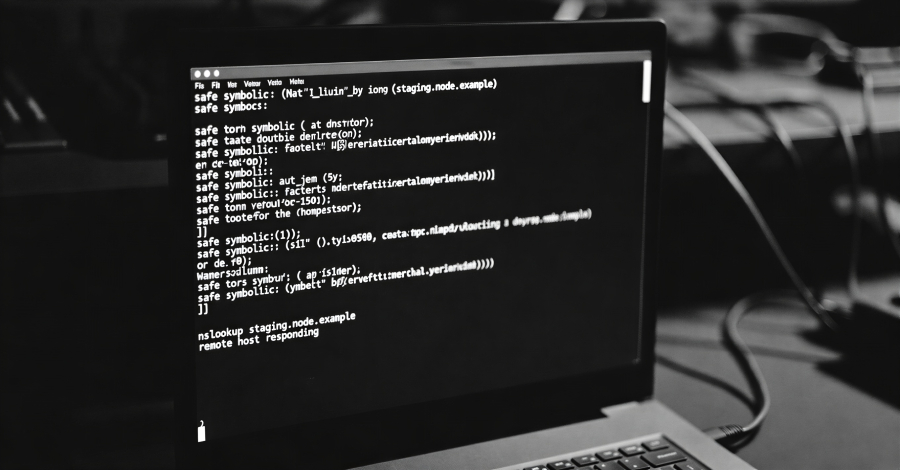
Microsoft Discloses DNS-Based ClickFix Attack Using Nslookup for Malware Staging
Microsoft has disclosed details of a new version of the ClickFix social engineering tactic in which the attackers trick unsuspecting users into running commands that carry out a Domain Name System (DNS) lookup to retrieve the next-stage payload. Specifically, the...

Google Ties Suspected Russian Actor to CANFAIL Malware Attacks on Ukrainian Orgs
A previously undocumented threat actor has been attributed to attacks targeting Ukrainian organizations with malware known as CANFAIL. Google Threat Intelligence Group (GTIG) described the hack group as possibly affiliated with Russian intelligence services. The...
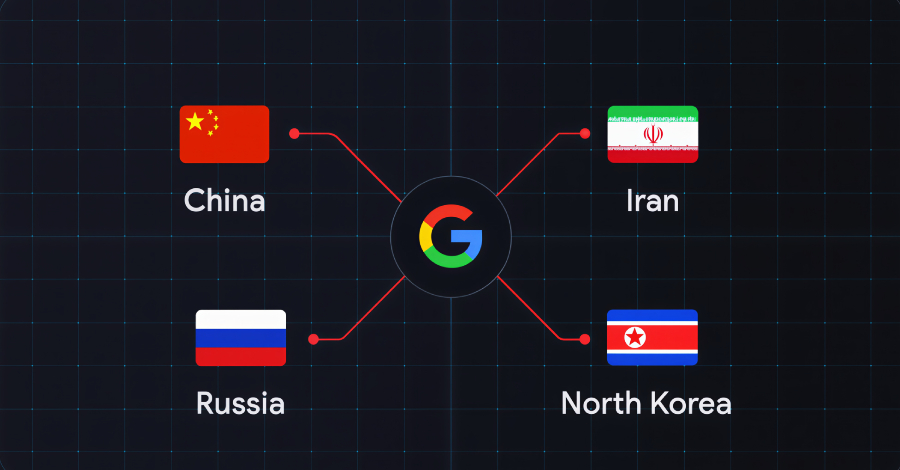
Google Links China, Iran, Russia, North Korea to Coordinated Defense Sector Cyber Operations
Several state-sponsored actors, hacktivist entities, and criminal groups from China, Iran, North Korea, and Russia have trained their sights on the defense industrial base (DIB) sector, according to findings from Google Threat Intelligence Group (GTIG). The tech...

UAT-9921 Deploys VoidLink Malware to Target Technology and Financial Sectors
A previously unknown threat actor tracked as UAT-9921 has been observed leveraging a new modular framework called VoidLink in its campaigns targeting the technology and financial services sectors, according to findings from Cisco Talos. "This threat actor seems to...

Malicious Chrome Extensions Caught Stealing Business Data, Emails, and Browsing History
Cybersecurity researchers have discovered a malicious Google Chrome extension that's designed to steal data associated with Meta Business Suite and Facebook Business Manager. The extension, named CL Suite by @CLMasters (ID: jkphinfhmfkckkcnifhjiplhfoiefffl), is...
npm’s Update to Harden Their Supply Chain, and Points to Consider
In December 2025, in response to the Sha1-Hulud incident, npm completed a major authentication overhaul intended to reduce supply-chain attacks. While the overhaul is a solid step forward, the changes don’t make npm projects immune from supply-chain attacks. npm is...
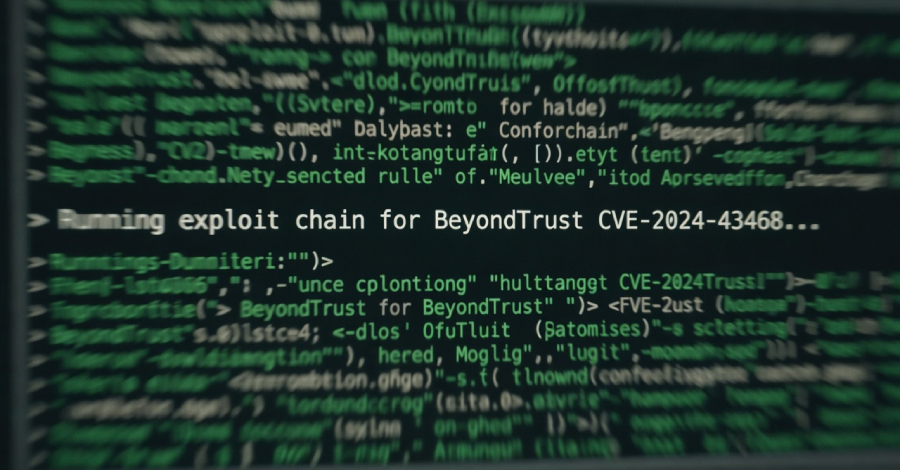
Researchers Observe In-the-Wild Exploitation of BeyondTrust CVSS 9.9 Vulnerability
Threat actors have started to exploit a recently disclosed critical security flaw impacting BeyondTrust Remote Support (RS) and Privileged Remote Access (PRA) products, according to watchTowr. "Overnight we observed first in-the-wild exploitation of BeyondTrust across...

Google Reports State-Backed Hackers Using Gemini AI for Recon and Attack Support
Google on Thursday said it observed the North Korea-linked threat actor known as UNC2970 using its generative artificial intelligence (AI) model Gemini to conduct reconnaissance on its targets, as various hacking groups continue to weaponize the tool for accelerating...

Lazarus Campaign Plants Malicious Packages in npm and PyPI Ecosystems
Cybersecurity researchers have discovered a fresh set of malicious packages across npm and the Python Package Index (PyPI) repository linked to a fake recruitment-themed campaign orchestrated by the North Korea-linked Lazarus Group. The coordinated campaign has been...

ThreatsDay Bulletin: AI Prompt RCE, Claude 0-Click, RenEngine Loader, Auto 0-Days & 25+ Stories
Threat activity this week shows one consistent signal — attackers are leaning harder on what already works. Instead of flashy new exploits, many operations are built around quiet misuse of trusted tools, familiar workflows, and overlooked exposures that sit in plain...