
Our Blog
“Welcome to the CISTCK Group Cybersecurity Blog! Dive into the dynamic world of cybersecurity with our expert insights, thought-provoking articles, and the latest developments in the field. Our blog is your go-to resource for staying ahead in the ever-evolving landscape of cyber threats. Explore topics ranging from threat intelligence and risk management to industry best practices and emerging technologies. Whether you’re a cybersecurity professional, IT enthusiast, or simply interested in safeguarding digital landscapes, join us on a journey of knowledge-sharing and discover actionable strategies to fortify your defenses. Stay informed, stay secure with the CISTCK Group Cybersecurity Blog.”
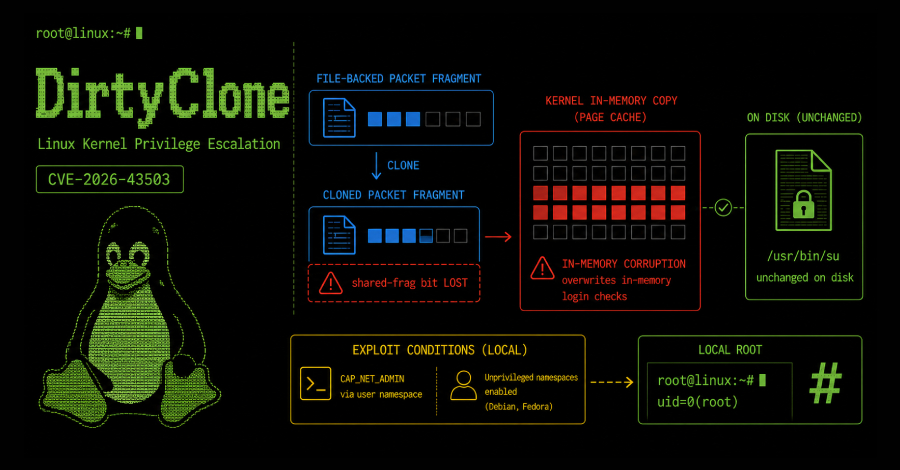
New DirtyClone Linux Kernel Flaw Lets Local Users Gain Root via Cloned Packets
DirtyClone is a new Linux kernel privilege escalation in the DirtyFrag family. JFrog Security Research published a working exploit walkthrough for the flaw on June 25, the first public demonstration for this variant. Tracked as CVE-2026-43503 (CVSS 8.8), it lets a...
Guardian Agents: The Next Layer of Identity Governance
AI agents are moving through enterprise environments, inheriting permissions, traversing systems, and executing decisions at machine speed with minimal oversight. The identity infrastructure built to govern human access wasn't designed for autonomous actors, and the...
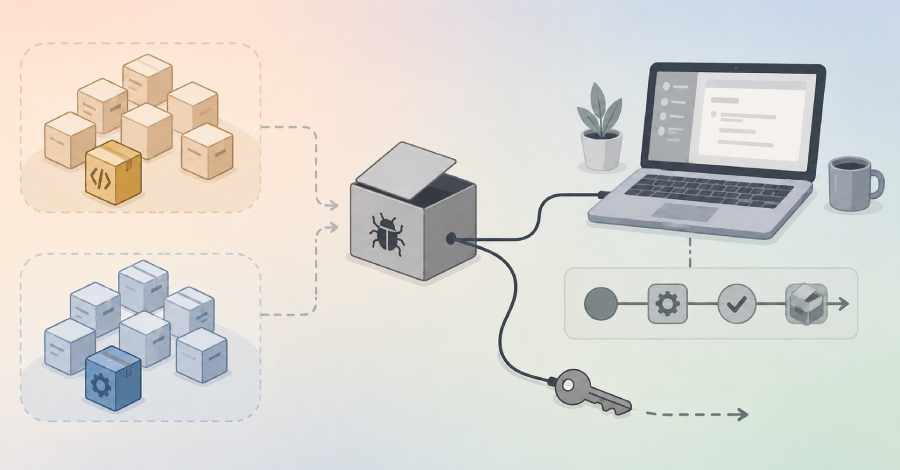
Miasma Malware Targets npm Packages and GitHub Actions in Supply Chain Attack
Cybersecurity researchers have flagged yet another evolution of the supply chain attack linked to the Mini Shai-Hulud, Miasma, and Hades malware family that has compromised a new set of npm packages, even as it has propagated to the Go ecosystem. "The latest activity...

Microsoft Warns of Photo ZIP Phishing Campaign Targeting Hotels with Node.js Implant
An active phishing campaign has been targeting hotel and other hospitality organizations across Europe and Asia since April 2026, using photo-themed ZIP files to drop a Node.js implant and dig into front-desk machines, Microsoft says. The company has not...
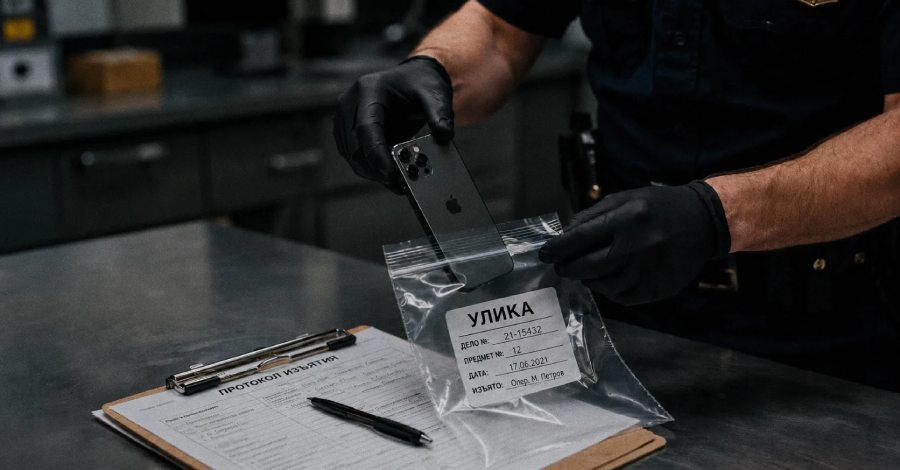
Russia Used Cellebrite on Jailed Activist’s iPhone Months After Sales Cutoff
Russian authorities used Cellebrite's UFED forensic tools to break into the iPhone of detained opposition activist Andrey Pivovarov in June 2021, three months after Cellebrite said it would stop selling its tools and services to Russia and Belarus. The finding,...

Google Details Turla’s New STOCKSTAY Backdoor Used in Ukraine Espionage Attacks
The Russian state-sponsored threat actor known as Turla has been attributed to a previously undocumented .NET backdoor called STOCKSTAY that has been deployed against government and military organizations in Ukraine, and entities that have an interest in Italian...
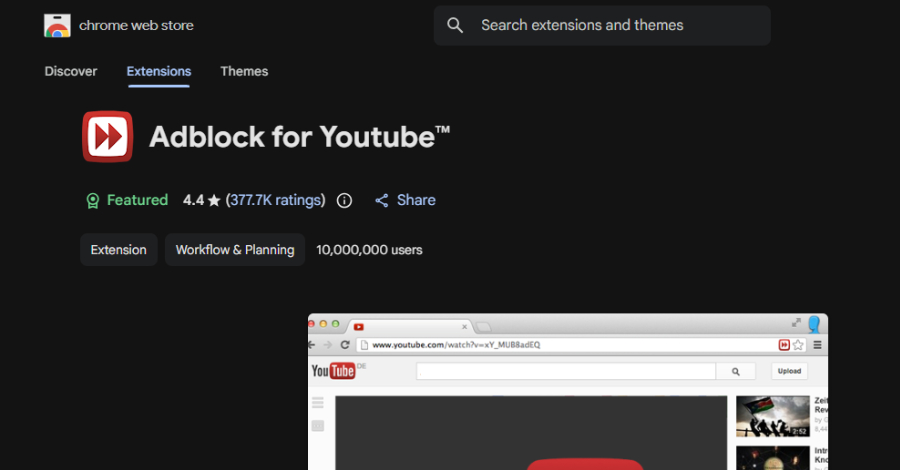
Chrome Ad Blocker with 10M+ Installs Found with Dormant Script Injection Capability
An analysis of a popular Google Chrome ad block extension for YouTube has uncovered the ability to execute arbitrary JavaScript code. According to Island, the extension, named Adblock for YouTube (ID: cmedhionkhpnakcndndgjdbohmhepckk), has more than 10 million...
ThreatsDay Bulletin: Smart TV Proxyware, 24-Year curl Bug, AI Crime Forums + 13 More Stories
It’s dumb out there again. This week has the usual smell of prod on fire and nobody wanting to admit who left the door open — old creds still working, trusted apps doing sketchy crap, browser tricks jumping the fence, and “normal” workflows turning into phishing pipes...

Surviving the Mythos Era: Richard Bejtlich on the Case for NDR
Despite the abundance of telemetry at analysts’ disposal, many security operations teams struggle to answer a few basic questions during incident investigation: What happened? What evidence do we have? How do we know we’re seeing it all, in context? Answering these...

New Gaslight macOS Malware Uses Prompt Injection to Disrupt AI-Assisted Analysis
A previously undocumented Rust-based macOS implant and information stealer has been found to embed a prompt injection payload designed to trick a malware analyst's artificial intelligence (AI) tools and trick it into aborting or refusing an analysis of the artifact....