
Our Blog
“Welcome to the CISTCK Group Cybersecurity Blog! Dive into the dynamic world of cybersecurity with our expert insights, thought-provoking articles, and the latest developments in the field. Our blog is your go-to resource for staying ahead in the ever-evolving landscape of cyber threats. Explore topics ranging from threat intelligence and risk management to industry best practices and emerging technologies. Whether you’re a cybersecurity professional, IT enthusiast, or simply interested in safeguarding digital landscapes, join us on a journey of knowledge-sharing and discover actionable strategies to fortify your defenses. Stay informed, stay secure with the CISTCK Group Cybersecurity Blog.”

Microsoft Windows Vulnerability Exploited to Deploy PipeMagic RansomExx Malware
Cybersecurity researchers have lifted the lid on the threat actors' exploitation of a now-patched security flaw in Microsoft Windows to deploy the PipeMagic malware in RansomExx ransomware attacks. The attacks involve the exploitation of CVE-2025-29824, a privilege...

⚡ Weekly Recap: NFC Fraud, Curly COMrades, N-able Exploits, Docker Backdoors & More
Power doesn’t just disappear in one big breach. It slips away in the small stuff—a patch that’s missed, a setting that’s wrong, a system no one is watching. Security usually doesn’t fail all at once; it breaks slowly, then suddenly. Staying safe isn’t about knowing...

Malicious PyPI and npm Packages Discovered Exploiting Dependencies in Supply Chain Attacks
Cybersecurity researchers have discovered a malicious package in the Python Package Index (PyPI) repository that introduces malicious behavior through a dependency that allows it to establish persistence and achieve code execution. The package, named termncolor,...
Wazuh for Regulatory Compliance
Organizations handling various forms of sensitive data or personally identifiable information (PII) require adherence to regulatory compliance standards and frameworks. These compliance standards also apply to organizations operating in regulated sectors such as...
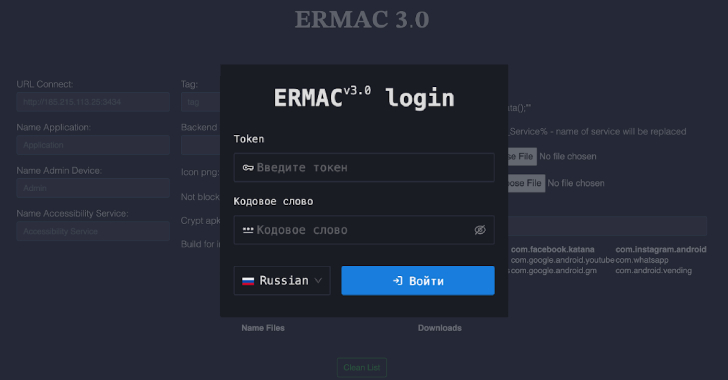
ERMAC V3.0 Banking Trojan Source Code Leak Exposes Full Malware Infrastructure
Cybersecurity researchers have detailed the inner workings of an Android banking trojan called ERMAC 3.0, uncovering serious shortcomings in the operators' infrastructure. "The newly uncovered version 3.0 reveals a significant evolution of the malware, expanding its...

Russian Group EncryptHub Exploits MSC EvilTwin Vulnerability to Deploy Fickle Stealer Malware
The threat actor known as EncryptHub is continuing to exploit a now-patched security flaw impacting Microsoft Windows to deliver malicious payloads. Trustwave SpiderLabs said it recently observed an EncryptHub campaign that brings together social engineering and the...
Taiwan Web Servers Breached by UAT-7237 Using Customized Open-Source Hacking Tools
A Chinese-speaking advanced persistent threat (APT) actor has been observed targeting web infrastructure entities in Taiwan using customized versions of open-sourced tools with an aim to establish long-term access within high-value victim environments. The activity...

U.S. Sanctions Garantex and Grinex Over $100M in Ransomware-Linked Illicit Crypto Transactions
The U.S. Department of the Treasury's Office of Foreign Assets Control (OFAC) on Thursday renewed sanctions against Russian cryptocurrency exchange platform Garantex for facilitating ransomware actors and other cybercriminals by processing more than $100 million in...
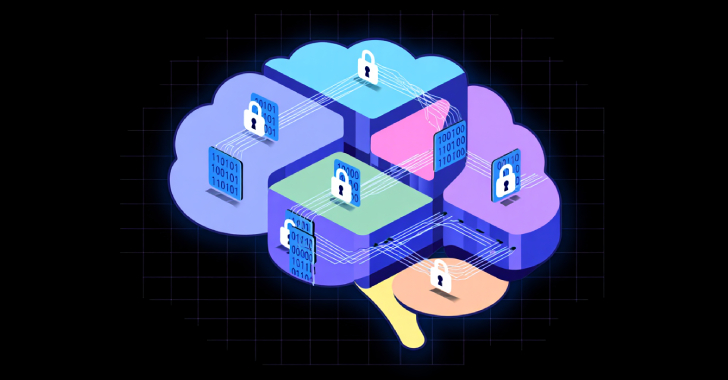
Zero Trust + AI: Privacy in the Age of Agentic AI
We used to think of privacy as a perimeter problem: about walls and locks, permissions, and policies. But in a world where artificial agents are becoming autonomous actors — interacting with data, systems, and humans without constant oversight — privacy is no longer...
Cisco Warns of CVSS 10.0 FMC RADIUS Flaw Allowing Remote Code Execution
Cisco has released security updates to address a maximum-severity security flaw in Secure Firewall Management Center (FMC) Software that could allow an attacker to execute arbitrary code on affected systems. The vulnerability, assigned the CVE identifier...