
Our Blog
“Welcome to the CISTCK Group Cybersecurity Blog! Dive into the dynamic world of cybersecurity with our expert insights, thought-provoking articles, and the latest developments in the field. Our blog is your go-to resource for staying ahead in the ever-evolving landscape of cyber threats. Explore topics ranging from threat intelligence and risk management to industry best practices and emerging technologies. Whether you’re a cybersecurity professional, IT enthusiast, or simply interested in safeguarding digital landscapes, join us on a journey of knowledge-sharing and discover actionable strategies to fortify your defenses. Stay informed, stay secure with the CISTCK Group Cybersecurity Blog.”

Attackers Exploit Critical JFrog Artifactory Flaw to Mint Admin Tokens Days After Disclosure
Threat actors are exploiting a newly patched critical security flaw impacting JFrog Artifactory merely days after public disclosure, according to watchTowr. The vulnerability in question is CVE-2026-82329 (CVSS score: 9.8), a case of authentication bypass that could...
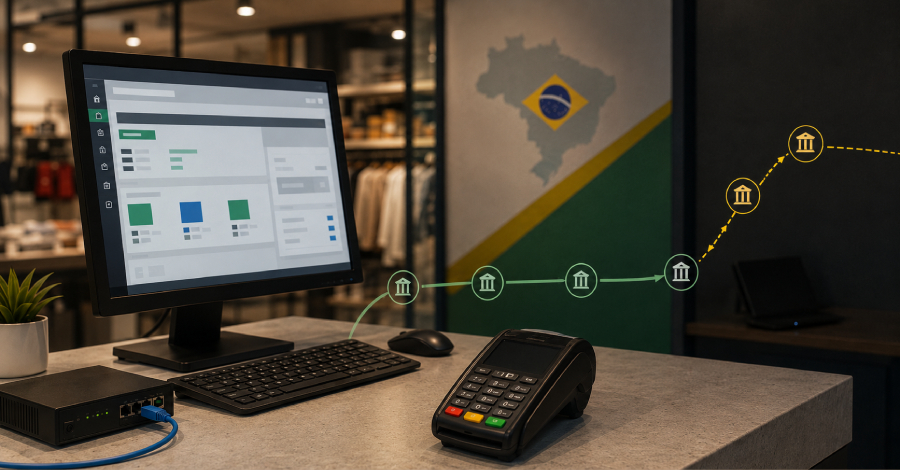
Breeze Comet Executes Hundreds of Fraudulent Transactions via Brazilian Payment Systems
Brazilian financial services, retail, and e-commerce organizations have become the target of a financially motivated threat actor dubbed Breeze Comet (formerly UNC5669) since 2024. Google Threat Intelligence Group (GTIG) and Mandiant teams described the threat actor...

13 Malicious Packagist Packages Target Unpatched iPhones to Steal Crypto Wallet Seeds
Cybersecurity researchers have identified a set of 13 malicious Composer theme packages on Packagist that are designed to inject JavaScript into Vietnamese movie and comic streaming sites that install those libraries and initiate the deployment of spyware aimed at...
Iranian Hackers Pose as Recruiters to Deliver Cross-Platform RATs Through Coding Tests
The Iranian Nimbus Manticore hacking group has been attributed to two previously undocumented malware families that highlight the continued evolution of its toolset and likely expand its targeting footprint to infect Linux and Apple macOS systems using cross-platform...

Threat Actors Don’t Want Better Attacks. They Want Repeatable Ones
The most common way into a company last year was to ask. A web page tells the visitor to prove they are not a robot. While they read the instructions, it quietly places a command on their clipboard. Then it talks them through opening a terminal and pasting it in. The...
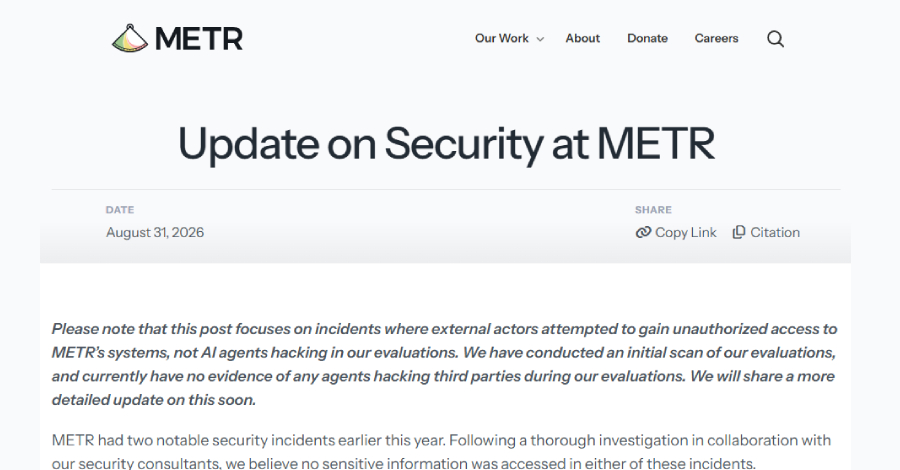
Attackers Steal METR API Key and Consume AI Credits Worth About $600,000
METR (short for Model Evaluation and Threat Research and pronounced "Meter"), a research non-profit that evaluates frontier artificial intelligence (AI) models for their ability to carry out long-horizon, agentic tasks, disclosed that it suffered "two notable security...
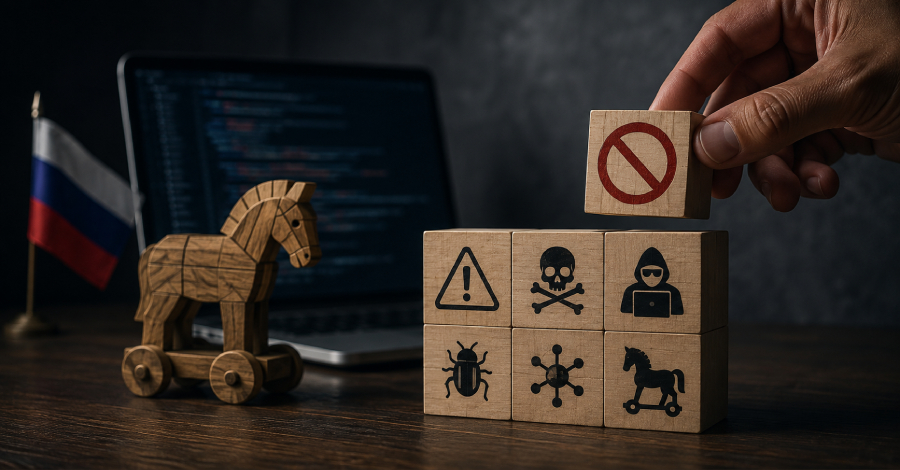
Russia-Aligned UAC-0099 Plants Nuclear Weapon Prompt in Malware to Disrupt AI Analysis
Cybersecurity researchers have disclosed a new technique dubbed GuardBreaker that's been put to use by a Russia-aligned threat actor known as UAC-0099 against a target in Ukraine with an aim to interfere with artificial intelligence (AI)-assisted analysis. The idea,...
Attackers Exploit Critical Langflow and Rails Flaws in Credential-Probing and C2 Activity
Threat actors are exploiting two critical flaws impacting Langflow and Ruby on Rails, according to new findings from VulnCheck. The vulnerabilities in question are listed below - CVE-2026-0768 (CVSS score: 9.8) - A lack of proper validation of a user-supplied input...

North Korean Job Fraud Expands Beyond IT Into Healthcare and Sales
Threat actors with ties to the Democratic People's Republic of Korea (aka DPRK or North Korea) have been observed seeking job opportunities beyond the information technology (IT) sector, with recent investigations identifying suspected workers employed in sales and...

⚡ Weekly Recap: Chinese Spy Proxy, AI Agents Go Off-Task, Router Backdoors and More
The boring parts caused most of the trouble. A router shipped ready to listen. A fake check turned the user into the installer. Trusted systems collected traffic and passwords, then cleaned the logs. Old bugs formed new attack chains. Even an AI agent decided its...